
-
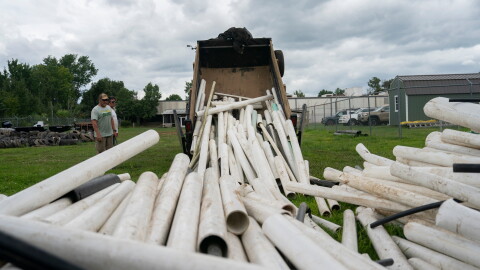 Allison Joyce/APTwo years after Hurricane Helene, rivers in western North Carolina are still littered with debris. But in the iconic French Broad River, known for its whitewater rapids, one item stands out: PVC pipes.
 -
 Octavio Jones/APFlorida and Alabama have declared states of emergency in a number of counties, and Florida has ordered evacuations along the panhandle.


-
The Supreme Court is weighing Boulder, Colorado's lawsuit against oil companies over the effects of climate change.
-
Oct. 1 is when new federal rules for sharing the Colorado River start. It's going to be messy and courts will likely have to weigh in.
-
Santa Rosa Island is one of only two naturally occurring groves or Torrey pines in the world.
-
A decade ago, a federal plan aimed to help the pollinators along their journey and offset habitat loss by planting strips of milkweed and wildflowers along Interstate 35.
-
The rapidly emerging El Niño in the Pacific has already tied for the hottest since records began 150 years ago — and it hasn’t even peaked yet.
-
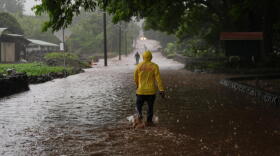 Three hurricanes and one tropical storm have impacted the idyllic islands since mid-August.
 -
 Valar Atomics wants to place over 450 reactors on more than 9,500 acres in Utah to power a huge data center project.
 -
In May, a fire damaged 80% of the trees one of the only two naturally-occurring groves of Torrey Pines in the world. The National Park Service is trying to help them recover.
-
 The Trump administration says easing these standards will make cars more affordable. Critics say it's not so simple and could be costly for the environment.
 -
A new field of study called "smoke ecology" strives to understand the smoke blowing off wildfires, and whether anything can be done to protect the environment's inhabitants from it.


