
-
The cost of pet care is rising. Petflation is affecting more than the cost of food and care; it's also making it costlier to transport pets between shelters, the key to getting many animals adopted.
-
 Justin Sullivan/Getty Images North AmericaConsumer prices in July were up 3.4% from a year ago — a smaller annual increase than in May or June. The news makes it less likely the Fed will feel the need to raise interest rates in September.


-
Most Americans say young adults today have it harder financially than in the past.
-
AI is disrupting some jobs, but in China, the courts often support workers' rights.
-
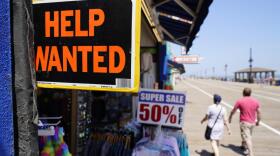 The summer job is a rite of passage for many teenagers. It can also serve as seed money for their future.
 -
The Labor Department releases a new report on inflation this week. It's higher than many would like, and with a sluggish job market, most people's paychecks aren't keeping pace with rising prices.
-
Following a weak jobs report and looking ahead to Wednesday's inflation data, NPR's A Martinez speaks to Diane Swonk, chief economist at the accounting firm KPMG U.S., about the state of the economy.
-
NPR's Ayesha Rascoe asks Jed Kolko of the Peterson Institute for International Economics if he is alarmed by Friday's weaker-than-expected jobs report.
-
The U.S. labor market went into reverse last month, as employers cut 23,000 jobs. Job gains for May and June were also revised downward.
-
 Trump is once again threatening to fire Cook over unproven allegations of mortgage fraud after an earlier effort to remove Cook was struck down by the Supreme Court.
 -
 For over a month this summer, Winston-Salem and Greensboro became home base for two World Cup national teams — Germany at the Graylyn Estate and Norway at the Grandover Resort.
 -
The July jobs report shows that employers cut 23,000 jobs, yet unemployment dropped slightly to 4.1% due to people leaving the workforce.


