
-
 Courtesy North Carolina Department of TransportationA new North Carolina law was meant to give roadside native vegetation a chance to thrive, supporting pollinators and other wildlife. But NCDOT says that’s also led to more herbicide spraying.
 -
The federal government finally has a new plan for the shrinking Colorado River. With its two biggest reservoirs at record lows, Arizona, California and Nevada will have to make major water cuts.


-
NPR's Brian Mann paddled the Ausable River in northern New York on a summer day to swim on wild sand beaches that stretch along Lake Champlain's shore.
-
Maine is the most heavily forested state in the country.
-
 The Spotted lanternfly was first detected in North Carolina four years ago. They've already been seen in at least seven counties and pose threats to many plant species, especially grapes.
 -
 Environmental activists and some citizens are expressing their concerns over what they're calling the National Park Service's “hazardous fuel reduction” plans.
 -
NPR's Ailsa Chang speaks with Jack Schmidt, director of the Center for Colorado River Studies at Utah State University, about new record low water levels in two major reservoirs.
-
 The end of "roadless rule" protections would open millions of acres of pristine forests to commercial use. Supporters say it will lead to better managed forests.
 -
This year's glacial outburst flood event in Juneau was minimally damaging, but residents worry about the future. A permanent solution to drain the glacial lake will be chosen by the end of 2026.
-
Less than 300 Mt. Graham red squirrels remain in the wild.
-
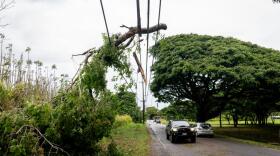 Tropical Storm Lala was downgraded from a hurricane before hitting Hawaii over the weekend.
 -
The federal government has paused construction.


