
-
 ALLISON JOYCE/AFP via Getty Images/AFPDisaster costs fell in the U.S. in 2025. Still, it was the fourth time in five years that extreme weather inflicted more than $100 billion in annual losses. Industry experts say the growing financial toll will make insurers wary of rushing to cut rates.
 -
 Jens Meyer/APThe city is calling on residents and businesses to dim their lights to help migrating birds.


-
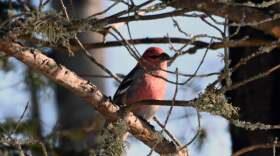 Even when it's freezing and covered in snow, Minnesota's Sax-Zim Bog attracts birders from around the world. They flock there hoping to spot owls, hawks and rare songbirds that spend most of their time in northern Canada.
 -
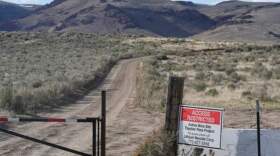 The only lithium mine operating in the United States is in Nevada. But there are plans to open more to meet the demand for lithium-battery storage.
 -
Last year, U.S. Department of Agriculture abruptly deleted several webpages containing mapping and data tools that helped farmers prepare for extreme weather.
-
 City officials say waiting to mow helps protect ground-nesting bees.
 -
 Across the country, Republicans and Democrats have found bipartisan agreement on regulating artificial intelligence and data centers. But it's not just big tech aligning the two parties.
 -
 Many farmers have had to fallow land as a state law comes into effect limiting their access to water. There's now a push to develop some of that land … into solar farms.
 -
An enormous solar project is moving forward in California, on land that farmers have had to keep fallow as the state restricts over-pumping the aquifers used to irrigate crops.
-
More than a year since Hurricane Helene devastated the Southeast, the region is dealing with a slow-moving, second disaster: mold.
-
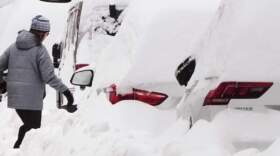 People are digging out more than a foot of snow from Maryland to Maine.
 -
 Construction for the Transco gas pipeline project is expected to begin in March.


