
-
 David Boraks/WFAEThe absence might bar Commissioner Donald van der Vaart from ruling in a potentially landmark decision that will shape the state’s grid over the coming years.
 -
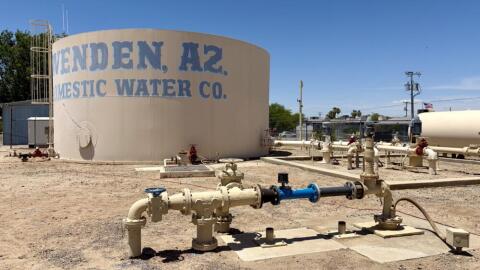 Peter O'Dowd/Here & NowWestern states like Arizona are considering new laws to regulate pumping from aquifers.


-
 The federal government is sending water from the Flaming Gorge reservoir upstream to prop up Lake Powell. But it comes at a cost.
 -
Record-breaking hailstones have been documented in recent years, with extreme stones reaching up to 6 to 7 inches in diameter falling in states like Texas and Colorado.
-
 Bingham Park, which sits on a former toxic landfill in East Greensboro, is set for a major cleanup over the next two years. Community members learned more about how the city will go about it and shared their concerns during a public hearing on Tuesday, June 9.
 -
New research from scientists at the Centre for Ecological Research in Hungary finds that some birds living in cities are changing their songs to compete with traffic and other urban noise.
-
India plans to build a major port, airport and town on pristine, remote Great Nicobar Island. Supporters say it could boost trade and jobs, but critics worry about environmental damage.
-
 The Indian government is spending $9 billion to create a megaport, airport and city on this remote island. Critics fear the impact on pristine forests and the lives of indigenous inhabitants.
 -
 More than 100 people turned out last night to question the developer of a proposed data center in Stokes County. The meeting was a required step for Engineered Land Solutions, as the company prepares to once again seek rezoning approval for the project.
 -
Rivercane is making a comeback. When it grows in dense colonies, it can help prevent floods.
-
 Officials are concerned that the county's current development ordinances don’t address these types of high-impact facilities.
 -
To prevent flooding, people in Western North Carolina are turning to a traditional basket weaving ingredient.


