
-
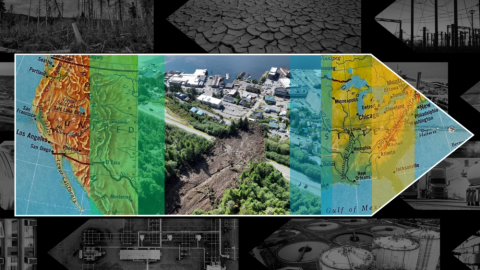 Travis Watkins via AP PhotoHeavy storms, melting permafrost and steep slopes have forced residents of Alaska to grapple with the growing risk of landslides.
 -
Here & Now is in Alaska this week reporting on landslides and floods that are triggered by a rapidly changing climate.


-
 Last year, remnants of a typhoon damaged homes, infrastructure and an archaeological dig site. Now, archaeologists are trying to get as many objects out as possible before the next storm.
 -
 This year's single-elimination tournament will see 16 competitors face off, compared to 12 in past years. Officials report more cubs in Katmai National Park than they've seen in recent memory.
 -
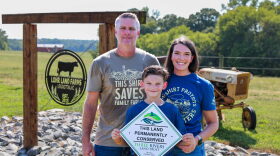 The land along Abbotts Creek in Davidson County is now permanently protected from development.
 -
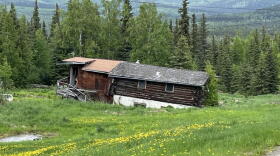 Alaska's melting permafrost — frozen soil, rock and underground — is threatening the quality of life for many residents.
 -
One rural county in Idaho that outright banned renewable development in 2024 is having second thoughts.
-
 A bacterial infection is wiping out Florida's citrus trees. Growers hope a rootstock developed with gene-editing technology could keep the disease at bay.
 -
 No one across the U.S. is consistently tracking climate-fueled deaths. One medical examiner has a new protocol on heat-deaths.
 -
Residents in Louisiana near SpaceX's next launch site are concerned about the project's impact on the environment and say they were kept in dark about the deal.
-
 Antarctic krill serve as a crucial food source for penguins, seals, and whales. They recycle nutrients used by algae. Now researchers say they've found krill in a surprising place: hydrothermal vents.
 -
The agency says repealing rules that limit climate-warming gasses will free up more than $300 billion in costs for the industry and help “unleash” American energy. B


